Gender-based violence in the EU
You are not alone
115,000 women speak out
Take part in a one-to-one session and help us improve the FRA website. It will take about 30 minutes of your time.

115,000 women speak out
Wives, daughters, sisters, friends, colleagues.
What do they all have in common?
Gender-based violence at home, at work, in public and online.
Physical, sexual, psychological and economic violence is all too common and largely invisible.
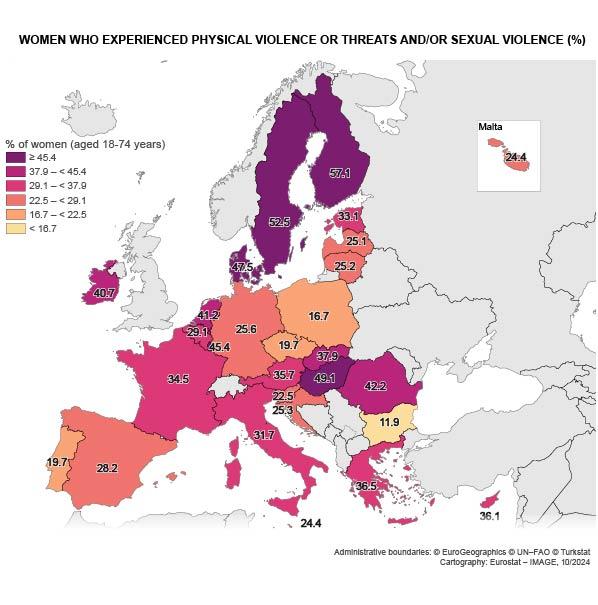
While women should be free, independent, empowered, safe, and loved , sadly, 1 in 3 women in the EU have experienced physical or sexual violence.
That’s 62 million women that have been slapped, hit, kicked, raped, or threatened with violence.
A decade on
In 2014, FRA revealed the extent to which women across the EU experience violence every day and everywhere.
It was the first ever, and largest at the time, EU-wide survey on violence against women, drawing on face-to-face interviews with 42,000 women across the EU.
It found that 1 in 3 women had experienced physical or sexual violence.
While the exact numbers vary between countries, the overall picture is clear: this is not a rare or isolated phenomenon. It is part of everyday life for millions of women.
A decade later, we continue to witness the same shocking levels of violence, despite international, EU and national legal and policy initiatives, and grassroots initiatives like #MeToo.

Violence by intimate partners
Behind closed doors, at home in spaces meant to feel safe, women in relationships face multiple forms of violence.
For many women, violence is not a one-time event. It unfolds over months or years.
It may begin with emotional pressure or control - decisions made for her, isolation from friends or family, slurs, insults and harassment.
In addition, partners sometimes keep hold of the purse strings, creating financial dependence, curtailing liberty.
And when times get tough, during crises like the Covid-19 pandemic where women were often isolated at home, violent tendencies increase.
Later, such psychological and economic violence may continue and escalate to threats, physical assault, and sexual violence.
Because the abuser is someone known or once trusted, the violence carries a deep emotional weight. Victims often hesitate to speak out, not only because they fear retaliation, but because they fear they won’t be believed, or that they’ll lose everything if they leave.
In numbers
The menace of stalking
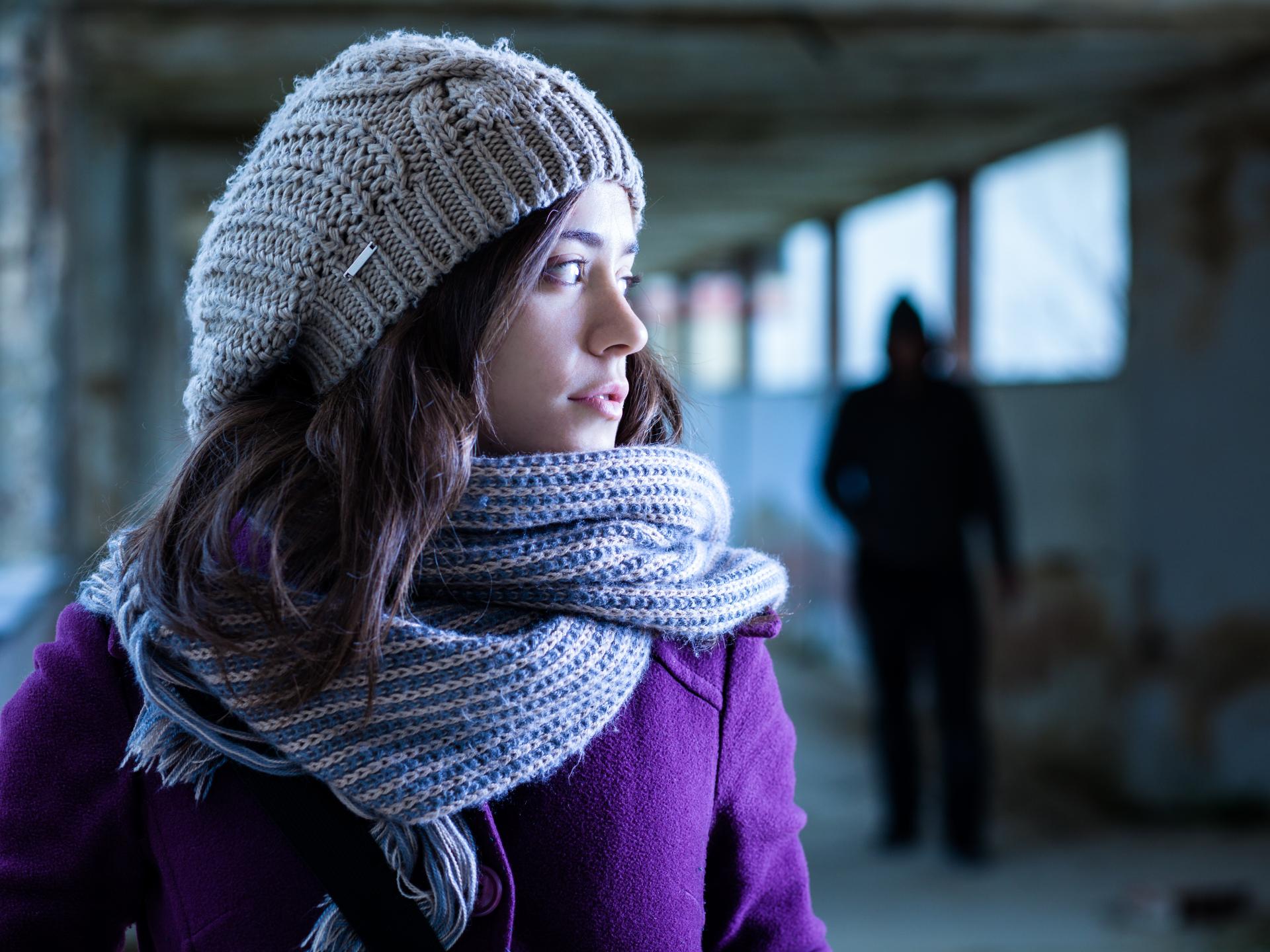
In the shadows of daily life, a silent menace persists — stalking. Often dismissed or misunderstood, stalking is a deeply invasive crime that leaves victims, living in fear, constantly looking over their shoulders.
Almost 1 in 5 women in the EU have been stalked.
Whether online or in person, stalkers exploit technology, personal routines, and emotional vulnerabilities to exert control and instil terror.
What is worse, it is not just strangers but people they once loved or trusted. Partners account for 50% of GPS tracking/spying.
And 37% of intimate content shared without permission comes from partners.
Violence against girls
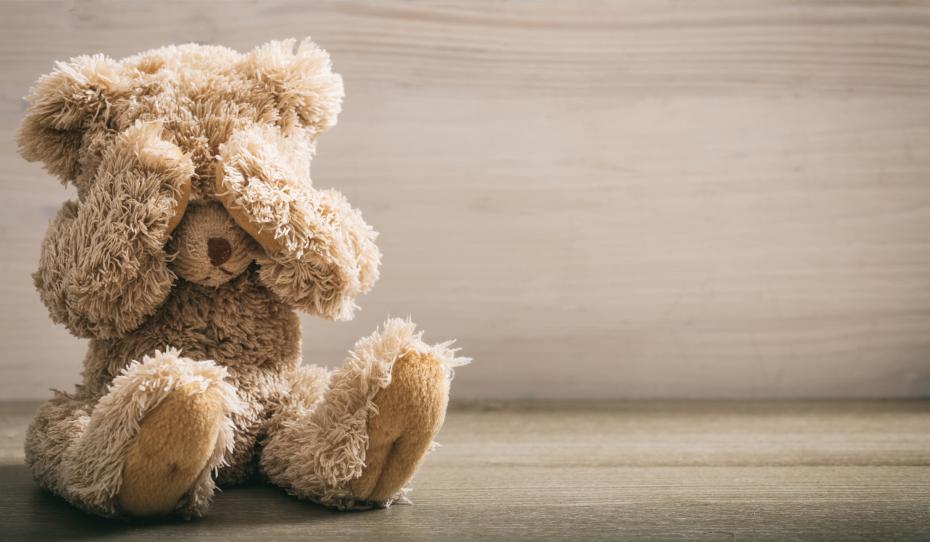
Childhood should be a time of innocence, security and safety. A time to grow, learn, mature and have fun. Alas, young girls also fall prey to gender-based violence.
1 in 15 women have suffered from sexual violence as a child, mostly at the hands of someone they knew or trusted.
Parents, who are meant to nurture and protect their children, often have a darker side. 1 in 3 women said that their parent was physically or psychologically violent against them as a child.
What makes matters worse, childhood violence is often an indication of further violence in later life. If it happened in childhood, then the cycle of violence often perpetuates.
Chances are if you suffered as a child, you are more likely to become a victim of sexual violence from partners, strangers or acquaintances in your adult life.

Violence against girls
Childhood should be a time of innocence, security and safety. A time to grow, learn, mature and have fun. Alas, young girls also fall prey to gender-based violence.
1 in 15 women have suffered from sexual violence as a child, mostly at the hands of someone they knew or trusted.
Parents, who are meant to nurture and protect their children, often have a darker side. 1 in 3 women said that their parent was physically or psychologically violent against them as a child.
What makes matters worse, childhood violence is often an indication of further violence in later life. If it happened in childhood, then the cycle of violence often perpetuates.
Chances are if you suffered as a child, you are more likely to become a victim of sexual violence from partners, strangers or acquaintances in your adult life.
Understanding the impact
Violence against women scars women for life, not just physically but also mentally.
Battered and bruised, 1 in 8 have been left with physical injuries. These include cuts and bruises, broken bones, internal injuries, miscarriages and unplanned pregnancies.
Partners are the main culprits, leaving 1 in 15 women fearing for their life.
Such trauma comes at a real tangible cost. 1 in 3 of victims of partner violence felt unable to do housework or care for their children and 1 in 6 had to take time off their work or studies.
Sadness, depression and anxiety are also all too common, affecting 1 in 2 women.

Understanding the impact
Violence against women scars women for life, not just physically but also mentally.
Battered and bruised, 1 in 8 have been left with physical injuries. These include cuts and bruises, broken bones, internal injuries, miscarriages and unplanned pregnancies.
Partners are the main culprits, leaving 1 in 15 women fearing for their life.
Such trauma comes at a real tangible cost. 1 in 3 of victims of partner violence felt unable to do housework or care for their children and 1 in 6 had to take time off their work or studies.
Sadness, depression and anxiety are also all too common, affecting 1 in 2 women.

Understanding under-reporting
Official figures mask the true scale of violence.
Many women remain silent not because the violence wasn’t serious, but because speaking out can come at a cost. Fear of not being believed, social pressure, or the risk of retaliation all play a part.
Almost 1 in 3 never discuss what happened with anyone.
When it comes to domestic violence the picture is even bleaker. Only 1 in 2 talk about their experiences of physical violence compared to nearly 3 in 4 victims of non-partner violence.
Only 1 in 7 victims contact the police.
1 in 5 reach out to health or social services.
The EU and Member States have taken steps to eradicate violence against women. These have included measures to prevent violence, and to better protect and support victims of violence.
Examples include agreeing to the Council of Europe’s Convention on preventing and combating violence against women and domestic violence, as well as EU’s rules on gender-equality and victims’ rights.
However, as this survey results show concerted effort is still needed to ensure women can enjoy a life free from gender-based violence.
Solutions include:
Change is possible